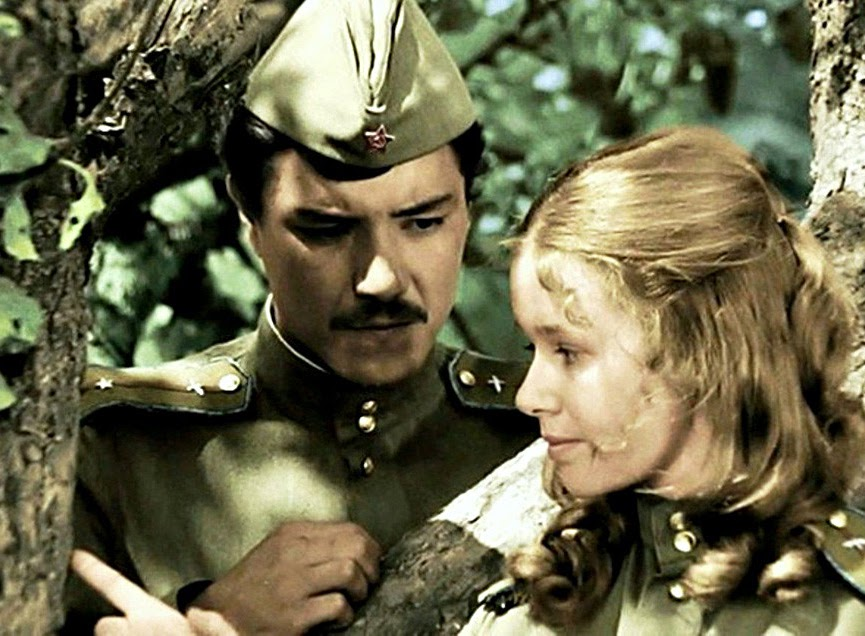
Soviet-Themed Political Jokes
In this short-video series, I produced live-action comedic sketches built around Soviet political jokes. I used absurd performances to explore how satire can expose the performative nature of power.
Although these videos were later censored on Bilibili (Chinese YouTube), this experience strengthened my interest in using creative media to make history more engaging and accessible.
Behind the Scenes
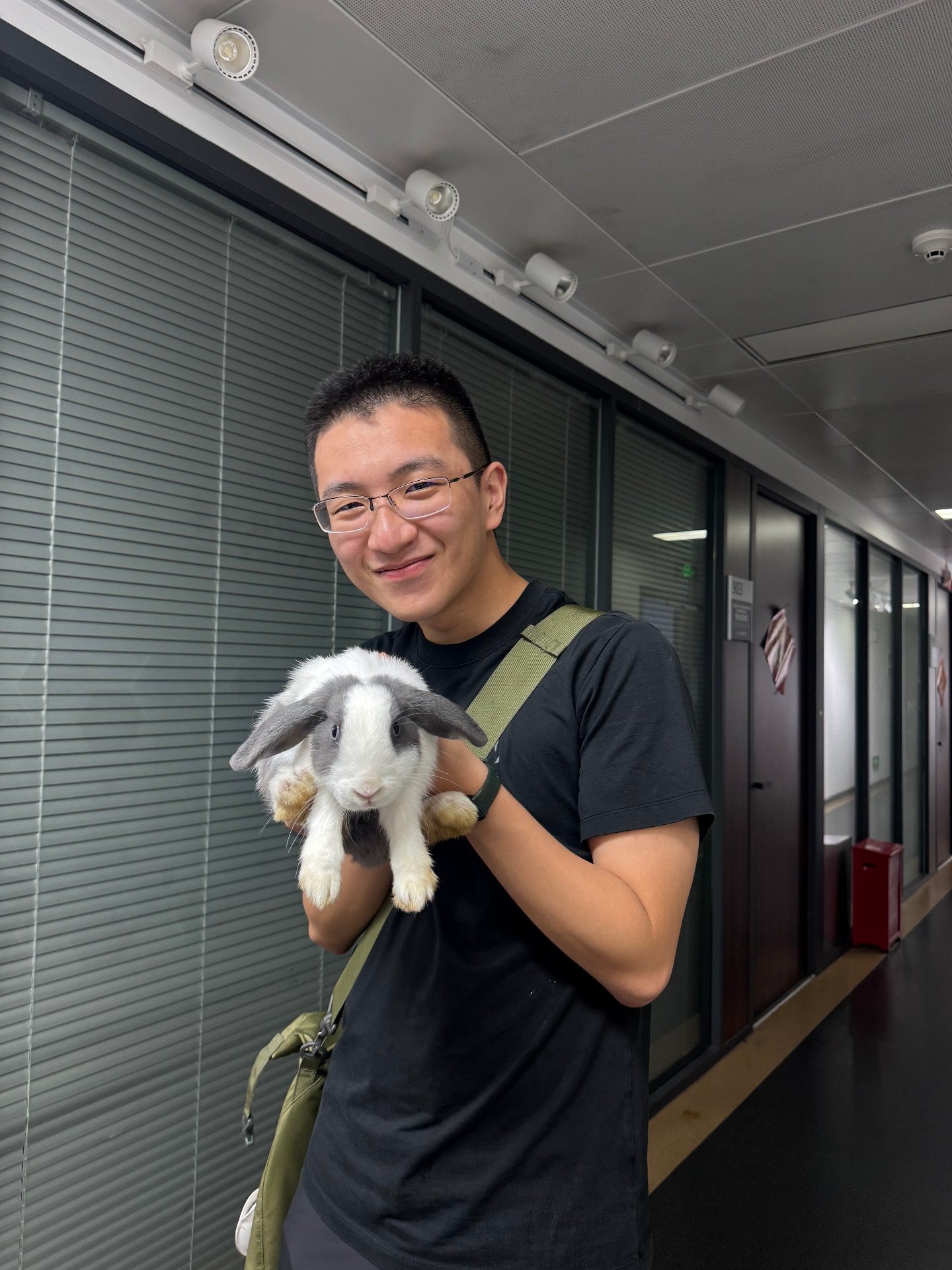
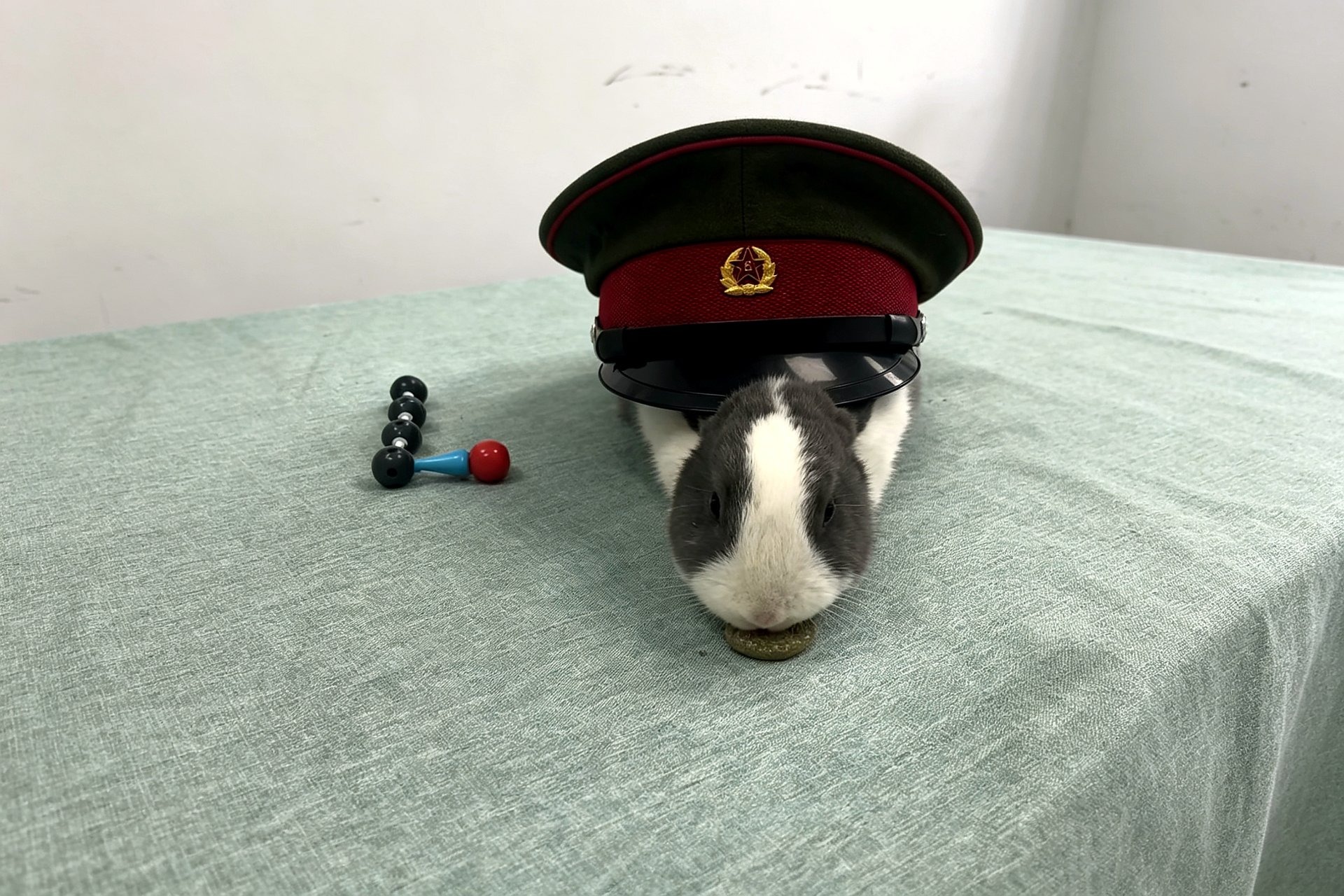
For filming, I recruited my friend’s pet Dutch rabbit. I placed a Soviet Red Army hat on his head, and I made this rabbit play Stalin. I intentionally made this absurd contrast between a gentle real-life pet animal and authoritarian figure, hoping to undercut grand political posturing.
Documentary: Finding China's Utopia

How should we evaluate the process and result of China's Great Leap Forward? A man-made disaster, a failed experiment? Who tried their best? Who is at fault?
To understand these questions, I looked to the broader 20th-century Utopian ideals first articulated within the Soviet Union. While drawing conceptual inspiration from Soviet visions of social transformation, China pursued its own distinct path.
During my road-trip field research, I visited Nanjiecun in Henan Province, a village that still operates as a functioning people's commune today. I also studied the business model of the Pangdonglai supermarket chain, whose community-oriented management echoes old-communal ideals within modern commercial life.
I arrive at my own conclusions through research and field observation. In my documentary, I hope to prompt each viewer to examine evidence and reach thoughtful conclusions of their own.
Documentary: Becoming Stalin
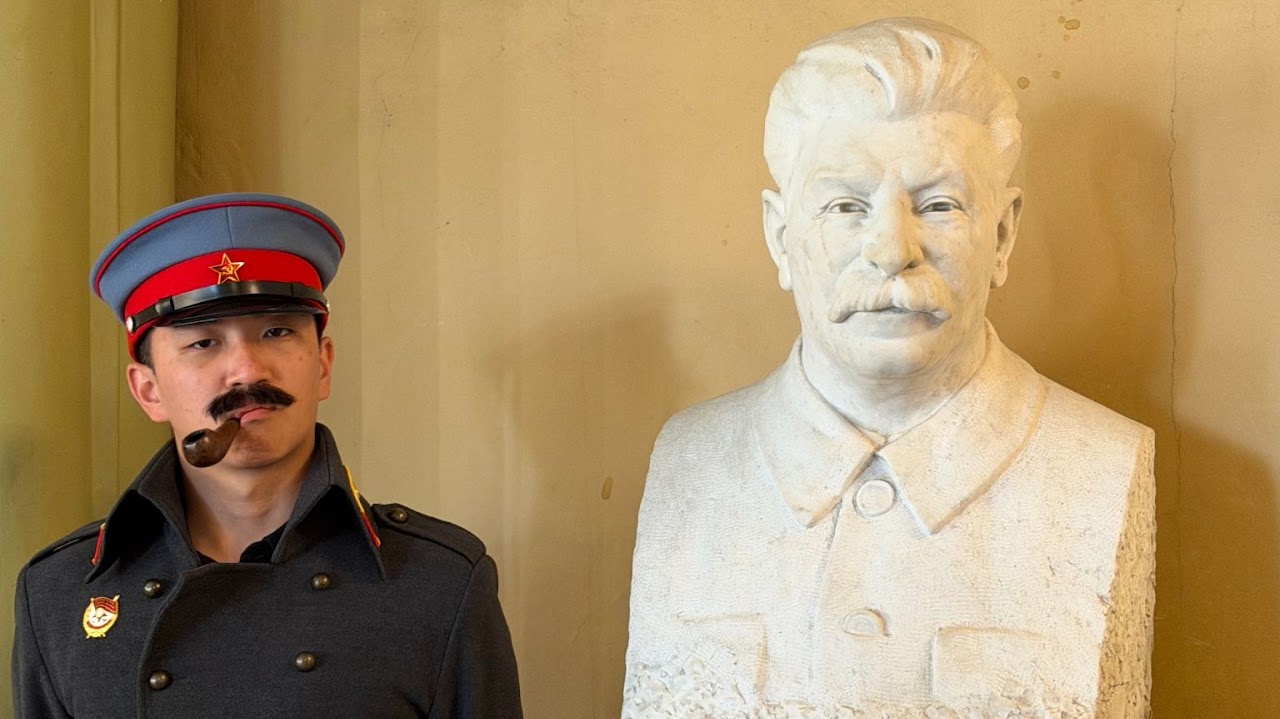
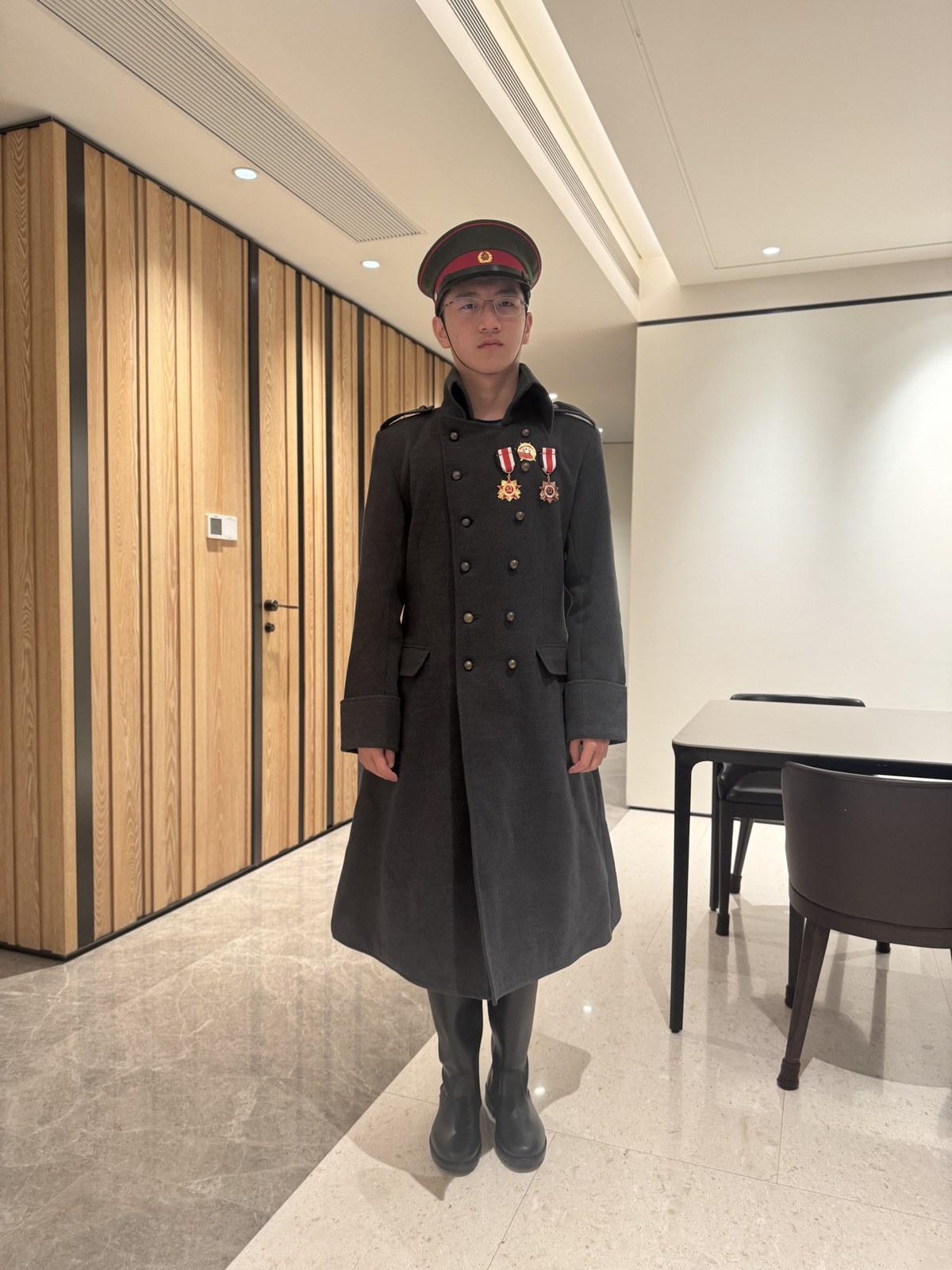
After my Soviet-joke short videos were taken down from China's domestic platforms, I wanted to create something larger and more immersive. Inspired by the film Look Who's Back, which portrays how Hitler returns to the present world, I asked: what if Stalin returned to Georgia (his home country) in 2026?
I wrote an original screenplay that stages a dramatic confrontation: the younger, idealistic Stalin (Soso) challenges the hardened older dictator he would later become.
I also witnessed clashing collective memories of Stalin while filming at Tbilisi's Dry Bridge Market. When local residents saw my period costume, an elderly man reached out and shook my hand; someone inside a passing car rolled down the window and saluted. One minute later, another man fixed me with a cold stare and walked away.
I found that Stalin stirs split feelings among Georgians. Some recall him with pride, linking his name to victory over Hitler. Others reject all forms of nostalgia for him and see nothing but a tyrant.
Academic Research: Workers’ Theater as a Double-Edged Sword in Early Soviet Russia
I chose to research Soviet agitational theatre because it offers an interesting case study of collision and negotiation between state power and popular culture in Soviet society.
Agitprop theatre relied on symbolic, accessible language and physical performance to communicate political ideas to largely illiterate audiences, serving as a powerful state propaganda instrument. At the same time, embedded critique and satire within these performances could amplify public social friction and widen rifts between citizens and state authorities.
The rise and fall of different agitprop forms mirrors shifts in Soviet cultural thought and state attitudes toward public expression. In this essay, I examine how agit-prop performance helped construct new working-class political identities, while also illustrating the inherent limits of top-down cultural governance.